Key takeaways
Supporting individuality from ages one to four helps each child feel seen, secure and valued within the twin bond
Everyday choices like clothes, toys and one-to-one time gently build confidence and independence
Avoiding labels and constant comparison reduces rivalry and lets each child progress at their own pace
Helping your young twins build a sense of self
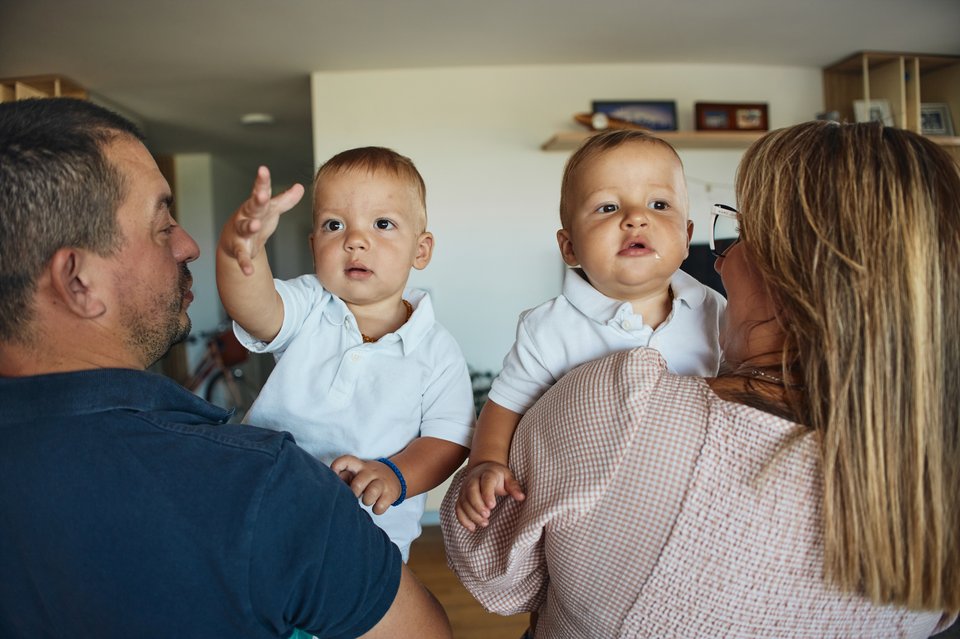
From around one to four years, your twins, triplets or more are busy discovering who they are. They’re learning that they’re part of a family, part of a twin set and also their own person.
Multiples can be born with a deep, powerful bond. That closeness can be a huge source of comfort, fun and lifelong support. It’s a special part of who they are and something to protect and celebrate.
At the same time, each child needs chances to notice their own likes and dislikes, move at their own pace and feel proud of their individual achievements. This balance between togetherness and independence can feel delicate, especially when you’re juggling everyone’s needs on not much sleep.
You don’t have to get it perfect. Small, repeatable choices in everyday life can give each child a strong sense of self, while still enjoying the security of their twin relationship. LINK Twins Trust’s factsheet ‘Enhancing Individuality in Multiples’ shares more background and tips. (for premium members)
Don’t miss what matters
Get Twins Trust news, support updates and practical resources—straight to your inbox.
What to look out for in the early years
In the toddler and preschool years, differences between your children can start to feel more noticeable. One child may talk earlier, another may be more physical, and one might be more confident socially. It’s common for multiples to react strongly if they feel “behind” a sibling.
Sometimes a child may even hold themselves back so they don’t outshine their brother or sister. Others may become very competitive, determined to be the fastest or loudest. Both reactions are understandable but can be tiring for everyone.
You might also notice your own feelings shifting. Many parents describe phases where one child is easier to settle or more in tune with them. That can feel like favouritism and bring guilt. Try to remember that these feelings usually change over time and tend to follow developmental stages rather than fixed “roles”.
Labels can creep in quickly, especially from other people. Comments like ‘the shy one’ or ‘the cheeky one’ might seem harmless, but children often live up to them. Over time, labels can shape how they see themselves and each other. The same goes for always calling them ‘the twins’ rather than using their names.
Birthdays and special occasions are another moment where individuality can get lost. Sharing parties is very common and often practical, especially before school, but joint cards and presents can leave some children feeling less seen.
Being aware of these patterns is the first step. You can’t control every comment or every comparison, but you can gently steer things so each child feels known for who they are.
Get more from Twins Trust
Free membership gives you access to additional resources and practical guides.
Practical ways to balance togetherness and independence
You don’t need big, time-consuming plans to support individuality in the one to four age range. Think about small routines you can build into daily life.
When you can, offer:
- Simple choices, like which book to read or which top to wear
- Chances for each child to enjoy one-to-one time with you
- Realistic individual goals so each child can feel proud of their own progress
- Consistent responses to behaviour so rules feel fair for everyone
- Activities they can do side-by-side but not always the same way
- Short moments where one child goes out with you and another stays at home with your partner or supporter
One-to-one time doesn’t have to be long. A five-minute story on your lap, a cuddle on both knees or a quick trip to the shop with just one child can feel very special. Try to rotate this when you can so each child has regular turns with you. For one parent families try to rotate this when you can so each child has regular turns with you, or with other trusted adults such as grandparents, other family members or friends.
You can also look outside the home. Parks, toddler groups, nursery and local multiples clubs all give your children the chance to mix with others and practise social skills, while you meet people who understand life with more than one at the same stage.
If behaviour feels especially challenging, our Behaviour On Demand Course (LINK) for parents of multiples aged one to eight explores common issues and practical strategies.
Getting support as your children grow
As your children approach school age, you may find individuality questions crop up more often, from birthday parties to friendship groups and later class placements. Keeping open conversations with your children helps. Ask what they enjoy doing together and when they’d like their own space or friends. Their views may surprise you and will definitely change over time.
You don’t need to stop shared parties. Instead, check in regularly and look for ways to make each child feel celebrated. That might mean separate birthday cakes, singing ‘Happy Birthday’ for each child in turn or encouraging family and friends to write individual cards.
If you notice ongoing tension, constant comparison or tricky behaviour, you’re not alone. Many families of twins, triplets or more experience these phases. Exploring our resources (LINK), personal stories (LINK) from other twin parents and joining our online communities (LINK) can remind you that other parents are facing similar questions and finding their own solutions.
Most importantly, remember that a strong twin bond and healthy individuality can grow side by side. By staying curious about each child, using their names, avoiding labels and giving them space to explore, you’re already helping them build the confidence they’ll carry into school and beyond. You’re doing more than you think.
Published