When Jemima and Alastair’s twins, William and Rose, arrived eight weeks early, they were unprepared for the challenges that lay ahead.
“William and Rose were born in May 2022 at 32 weeks, plus three days... little did we know that they would have to be tube fed to survive,” Jemima explains. The twins' premature birth meant they lacked a sucking reflex and would need tube feeding to receive adequate nourishment. “I didn’t know that the sucking reflex was something that didn’t develop until later on (around 35 weeks). So they had to be tube fed,” Jemima shared, highlighting the uncertainty she felt as a first-time mum of premature twins.
Facing the challenges of medical complications
The twins’ medical complications added layers of difficulty. William, who was diagnosed with Tracheo-Oesophageal Fistula and Oesophageal Atresia (TOF/OA), required immediate surgery just 23 hours after birth. “He had to have his first surgery at 23 hours old,” Jemima recalls, as he was transferred to another hospital for critical care. His condition meant he couldn’t feed properly, as anything he swallowed would go into his lungs. Jemima had to process the devastating news while balancing care for both twins, as Rose also needed specialised care in the Neonatal Intensive Care Unit (NICU).
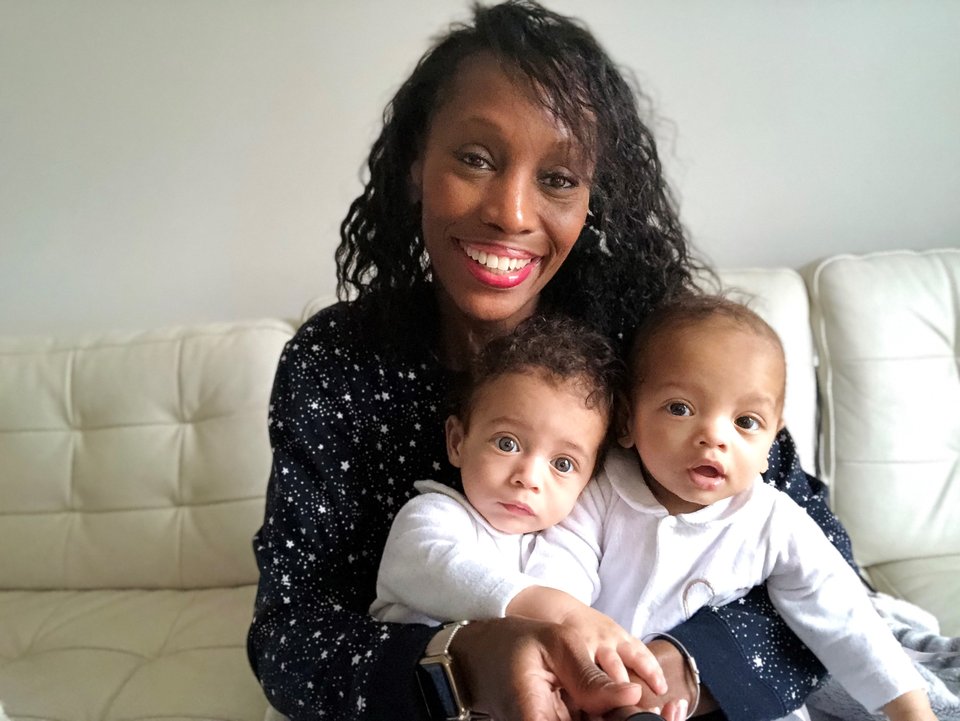
This period in the hospital was emotionally taxing for Jemima and her partner. “I felt for my husband as he was still working and didn’t take paternity leave until the twins came out of hospital,” she said. The couple had to juggle their roles and responsibilities, often feeling torn between their babies’ care and the pressure of daily life. The emotional and physical strain of navigating complex medical conditions for her children highlights the importance of having a support system in place, especially when facing medical crises.
Tube feeding
Jemima’s introduction to tube feeding was not something she had ever anticipated. “I had no idea tube feeding was a thing for babies,” she admits. The twins initially received donor milk through their feeding tubes, followed by formula for low-birthweight babies. Jemima and Alastair carefully managed their feeding routines, ensuring the babies received adequate nourishment while being mindful of the risks associated with tube feeding.
“The total amount they had to be fed each 24-hour period was calculated based on their weight,” Jemima explains. “Tube feeding cannot indicate that they are too full so it has to be really carefully measured.” The process was meticulous and draining, as the couple had to manage precise feedings while also learning how to care for their babies’ unique needs. “One of the hardest things about tube feeding with twins is the other wants to pull the tube out so we had to separate them a lot which felt so unnatural,” Jemima added, highlighting the additional emotional strain caused by her twins’ different needs.
Don’t miss what matters
Get Twins Trust news, support updates and practical resources—straight to your inbox.
The experience of tube feeding—especially with premature babies—can be overwhelming and isolating. Jemima believes it should be discussed more openly. “I would love to see tube feeding discussed more in an antenatal environment. It doesn’t need to be scary – tube feeding makes your baby as strong as possible and our babies wouldn’t be here today without it,” she said.
Looking to the future
After a challenging start, both William and Rose have made remarkable progress. Rose, despite being premature, has had no major health complications, while William continues to face difficulties related to his surgeries and complications. “William has had treatment at Southampton Children’s Hospital – and has been supported by the charity, TOFS,” Jemima said. Although William still struggles with respiratory issues and is more prone to choking, Jemima remains hopeful that as he grows, his condition will improve.
Jemima’s optimism shines through despite the hurdles her family has faced. “William has a fantastic team of surgeons, nurses, dietitians, and speech and language therapists who continue to support him,” she says. “He will be under the care of the hospital his entire childhood.” The ongoing support from these healthcare professionals is crucial for William’s development and wellbeing.

Jemima’s story highlights the importance of perseverance and the role that ongoing medical and emotional support plays in a family’s journey through such challenges. Her experiences show that although the road is difficult, progress is possible with determination, awareness, and the right resources.
Support is key
Jemima’s experience offers several key lessons for parents of multiples or premature babies. First, it’s essential to be prepared for the unexpected, even when you’ve done all the research. Second, understanding the medical complexities of tube feeding and seeking advice early on can help families navigate these challenges with more confidence. Third, having a strong support system—whether through medical teams, family, or community resources—can make all the difference in managing both the physical and emotional aspects of parenting premature babies. Lastly, fostering hope and focusing on progress, even in challenging times, is vital for maintaining resilience through such a journey.
Talk to someone who truly gets it
Twins Trust’s free helpline is run by trained volunteers who have multiples themselves. Call for a friendly, confidential chat or message via WhatsApp or email anytime and they’ll reply during opening hours (Mon–Fri, 10am–1pm & 7pm–10pm, excluding bank holidays).