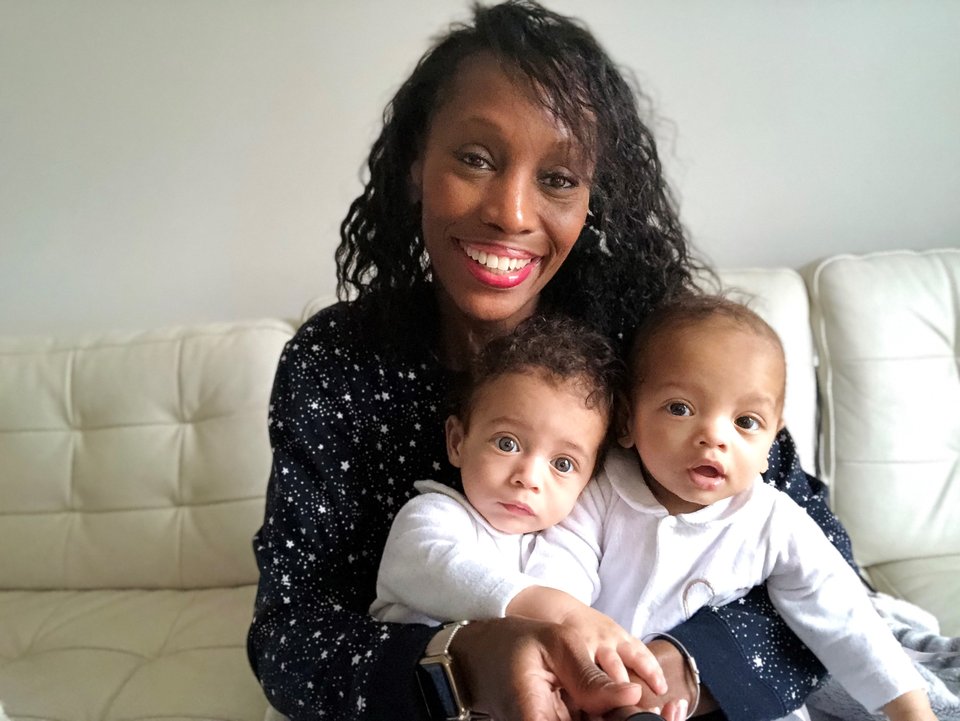
Parenting twins can be a rewarding but overwhelming experience, especially when trying to navigate challenging behaviours. Tia, mum to four-year-old twins Maliyah and Kawhi, has learned firsthand that raising multiples requires constant adjustments and flexibility. She quickly realised that traditional parenting techniques don't always work with two children so closely paired together.
From dealing with squabbles to teaching shared responsibilities, Tia has adapted her methods over time, all while learning that parenting isn't about being perfect—it's about being persistent and adaptable.
Emphasising understanding and clear communication
One of the most important lessons Tia has learned is the need for clear and consistent communication. Children need to understand the rules before they can follow them. This means explaining the reasoning behind certain behaviours or expectations in a way that resonates with their developmental stage. Tia believes that parenting becomes significantly easier when children comprehend the "why" behind the rules, whether it's why they should help clear up their toys or why they should say "please" and "thank you."
Tia has also found that using resources, such as social media and expert advice, helps her stay informed about new parenting techniques. Watching videos on behaviour strategies has helped her discover approaches that are specifically tailored to the unique needs of her twins, such as the challenges of shared attention and discipline.
Tailoring rewards to their needs
Finding the right reward system is something that has worked positively for the family. Initially, Tia tried using a star chart to motivate her twins to behave. However, this approach fell short when the twins, at such a young age, failed to grasp the concept of long-term rewards. Instead, they would move the stars around, diminishing the chart’s effectiveness. This experience taught her an important lesson: rewards must be visible and immediate for younger children to understand and appreciate them.
Tia later turned to a marble jar system, where marbles are added for good behaviour and removed for misbehaviour. She found that this method was much more successful, as her twins could visually track their progress. This system evolved further when they received small amounts of money for good behaviour, which helped reinforce positive actions and taught them about consequences. However, Tia quickly realised that the novelty of the rewards wore off, so she continues to adapt her approach to keep the rewards engaging and effective.
The lesson here is that rewards need to evolve over time. What works initially might lose its impact, and it’s important to be flexible and inventive in order to keep children motivated.
Don’t miss what matters
Get Twins Trust news, support updates and practical resources—straight to your inbox.
Understanding each child's unique needs
Parenting multiples requires a deep understanding that each child is different, even when raised in the same environment. Tia discovered that while both of her twins were similar in many ways, they each responded differently to discipline. Kawhi, for example, reacts poorly to raised voices, while Maliyah responds better to firmer tones. This distinction required Tia to tailor her approach to each twin’s temperament. It reinforced the lesson that discipline and guidance must be individualised, even within the same family.
This idea of personalising parenting approaches extends beyond just behaviour management. Tia acknowledges that every child has unique strengths and weaknesses, and successful parenting requires finding the right balance to support each one. It also involves understanding how siblings interact and influence one another. In the case of her twins, Tia noticed that they often “egged each other on”, especially when they were together. This behaviour dynamic can complicate the process of discipline, as both children tend to stick up for each other. Tia’s experience taught her that sometimes, disciplining both children at once can be more challenging than doing so individually.

Parenting with flexibility and compassion
Tia recognises that we all parent in different ways and the challenges that arise from that.
“With us it’s cultural. The way Lee was disciplined and brought up was completely different to how I was parented. It’s about learning each other’s ways and what works best.” she said.
What advice would Tia share with other parents of twins, triplets or more?
“Having two is harder and they’re not naughty. It’s not necessarily that they’re not listening, it’s that they’ve got a lot of distraction from their sibling. The majority of children aren’t naughty, they’re just learning.”
Tia’s approach to parenting her twins serves as a reminder that there is no one-size-fits-all strategy. Successful parenting is about learning what works for each child, being open to adjusting tactics, and always remembering that behavior is a form of learning. By staying patient, adaptable, and clear in her communication, Tia navigates the challenges of raising twins with compassion and resilience, which ultimately makes her parenting experience both rewarding and effective.
Talk to someone who truly gets it
Twins Trust’s free helpline is run by trained volunteers who have multiples themselves. Call for a friendly, confidential chat or message via WhatsApp or email anytime and they’ll reply during opening hours (Mon–Fri, 10am–1pm & 7pm–10pm, excluding bank holidays).