Building good foundations for behaviour with twins and triplets can be challenging. You are parenting more than one child at the same developmental stage, often with different personalities and needs, and that can make everyday moments feel more intense.
Twins Trust runs Behaviour Expert Drop-ins, giving parents a chance to share experiences, swap ideas and feel less alone when behaviour feels difficult. There’s also a behaviour course for parents and carers. You can connect with other families through our online communities or call our helpline when you need someone to talk to.
Amy is mum to twins Mia and Parker, 11, and their older brother Finley, 14. Working in the Family Services department at Twins Trust, she has learned plenty of practical tips for managing behaviour.
Learning your children’s differences
Amy said: “I have boy/girl twins and they’re very different, so that comes with its own challenges. I have my older son, Finley, so I had a certain amount of knowledge about behaviour when it came to Mia and Parker.
“When she was young, Mia was always the more dominant twin and wanted to mother Parker. She’d get stroppy if he didn’t want to do what she asked him to. He often didn’t get to say what he wanted. Most of the time she would speak for him. We used to separate them when possible, and give her an activity to do so he could have his own space.”
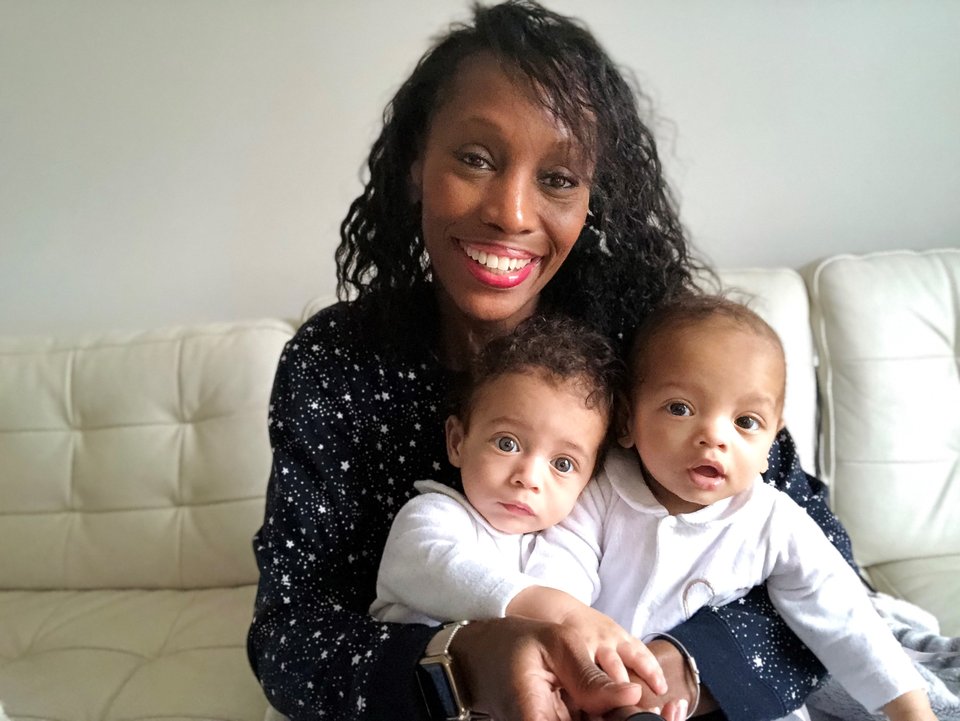
Creating moments of separation helped Parker have space to make choices for himself, and helped Mia focus on her own activity.
Amy added: “We have to manage them in different ways. Parker is sensitive and is very empathetic, while Mia is stubborn and strong-willed. It is a challenge. The best way to deal with Mia when she's upset is to give her a hug. She calms down more if you have a hug and tell her you understand if she’s frustrated.”
Watching the build-up
When Mia and Parker were three, they started nursery. Amy remembers staff being supportive and making sure the twins were in separate groups for activities. That gave each child time and space.
At home, Amy tried to be near the twins as much as possible when they were young. She said: “If you can watch them more, you can see what leads up to the arguments. I would make sure I could see them and still interact with them when I was cooking.
“I had a playpen in the early years. It was great for putting one in and then taking the other twin with me, it was my divide and conquer tactic. It’s about trying to get in there before something happens. One twin might appear to start an argument, but the other twin might actually have done something to cause it.”
Don’t miss what matters
Get Twins Trust news, support updates and practical resources—straight to your inbox.
Boundaries and choices that feel manageable
When Mia and Parker started school, they were in separate classes. Amy says that decision was the best thing for both children, giving them their own space to learn, settle and grow.
Over time, Amy has found that many behaviour challenges come back to boundaries and choice. Young children often want to feel some control, so offering small choices within clear limits can help everyone feel calmer.
Amy said: “A lot of it for children is about boundaries and choice. They want to feel like they’re in control when they’re little so it’s about allowing them some control, without making it chaotic.
“I’d offer two outfits and ask which they wanted to wear. It gave them a choice, but not too much.
“It’s about setting the boundaries from day one, being consistent and picking your battles. It’s acknowledging they’re all different and need different things.
“It helps to stay calm yourself, even when things can be frustrating. Talk about what’s happened and listen to their point of view, as well as using positive language.”

Support from Twins Trust
The behaviour course at Twins Trust gives parents and carers the chance to learn more about behaviour and the issues families may face.
Amy said: “Gemma who runs the course has a huge amount of experience in dealing with behaviour. She can share useful strategies to help manage behaviour. We have behaviour expert drop-ins for our members. They’re great interactive sessions. Parents can share their struggles as well as any tips that they find work well for them.
“Often the same topics arise, like hitting, not sharing, biting and children running away when they go out. It’s reassuring for people to come along and realise they’re not the only ones having those struggles. Our online communities are also a great space for families to talk. We also have our helpline too if people are having a bad day and need to speak to someone.”
Talk to someone who truly gets it
Twins Trust’s free helpline is run by trained volunteers who have multiples themselves. Call for a friendly, confidential chat or message via WhatsApp or email anytime and they’ll reply during opening hours (Mon–Fri, 10am–1pm & 7pm–10pm, excluding bank holidays).