Starting secondary school is a big step for any child. For twins, triplets or more, there’s often an extra decision to make too: do they stay together, or is it better to be in separate classes? When your children also have disabilities, that choice can feel even bigger, with accessibility, confidence and independence all part of the picture.
Twins Sebastian and Oscar started their first year of high school when they were 12. They are both permanently deaf and have a rare form of muscular dystrophy, facioscapulohumeral muscular dystrophy (FSHD). Their mum, Kerry, shared how they’ve approached the transition to secondary school, and what’s helped her sons keep doing the things they enjoy.
Families often tell us that school transitions can bring up lots of questions, especially when your twins have additional needs and you’re trying to get the right support in place. Twins Trust has information to help you think through choices like being together or apart, and how to prepare for the move from primary to secondary.
It was New Year’s Eve 2009 when Kerry discovered she was expecting twins. After bursting out laughing, then crying, she told her husband, Grant, they would be bringing not one, but two babies into the world to join their older sister, Scarlett. Kerry describes her twin pregnancy as fairly normal, and says Twins Trust, known as Tamba at the time, was a source of advice and support.
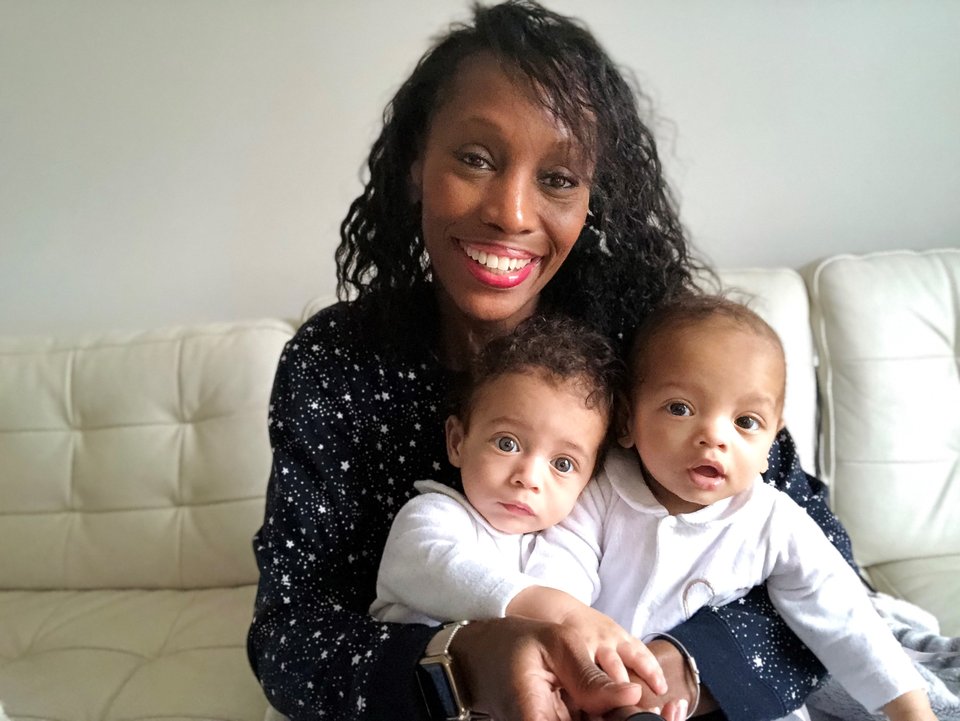
Sebastian and Oscar were born at 38 weeks. Kerry said: “We felt like we had been really lucky. They failed their newborn hearing test but we got told not to worry unnecessarily. This was the first indication something might be going on.
“We found out when they were about seven weeks old they were permanently deaf, known as sensorineural deafness. They are not profoundly deaf but they have moderate to severe deafness. They have had hearing aids since they were eight weeks old.
“This was a massive challenge with twins, they would pull each other’s out.”
When physical differences became clearer
Sebastian and Oscar were diagnosed with FSHD, a progressive condition, when they were eight. Doctors confirmed they had had the condition since birth.
Kerry added: “The real issues started with the boys when they got to primary school and we started to notice there were physical differences.”
The boys attended a one form primary school and Kerry said that consistency worked well for them. She also felt it was important to help them build independence. She said: “We worked really hard with their primary school to start them thinking about encouraging independence and making sure they were in different groups so they were not always together.
“They are physically declining; FSHD is progressive and they will get more disabled as time goes on. They went into wheelchairs in Year 6 of primary school.”
Don’t miss what matters
Get Twins Trust news, support updates and practical resources—straight to your inbox.
Planning for secondary school
When it was time to look at secondary school places, Kerry knew she wanted a nurturing environment, as well as practical support that would help the boys. She returned to Twins Trust for guidance around education and transition, including that familiar question for many families of multiples: together or apart.
She said: “When it came to high school and moving up. I came back to Twins Trust to look for advice on education and transition.
“It became very apparent they wanted to be in different forms. Sebastian was more confident about going to high school than Oscar was. Oscar is the chattier of the two but his language wasn’t quite as clear so that affected his confidence.
“They started out in different classes but have maths together.”
The school organised a number of their classes on the ground floor, making it easier for the boys to travel between lessons. In the classroom, they use a remote loop system that links up to their Bluetooth hearing aids.

Kerry’s advice for other families
Kerry hopes their story reassures other parents of multiples with disabilities who are preparing for the move to secondary school.
She said: “Start thinking about it early. You know your children better than anybody else. Different things work for different children and families. We knew that Sebastian and Oscar wanted to bump into each other but didn’t want to be stuck together the whole time.
“The school listened to us as parents and accommodated different needs. That would be one of my early questions to the school. Ask how open they are to your ideas about where your children will be placed. You should prepare for rough waters when the transition first happens. They do settle eventually.
“If you’ve not always got your twin by your side, it can feel even more daunting, until you make new friends and find your feet. It’s wonderful to see them develop their own social circles.”
Talk to someone who truly gets it
Twins Trust’s free helpline is run by trained volunteers who have multiples themselves. Call for a friendly, confidential chat or message via WhatsApp or email anytime and they’ll reply during opening hours (Mon–Fri, 10am–1pm & 7pm–10pm, excluding bank holidays).