When Annie found out she was expecting twins for the first time, she was excited—but also unsure how she would feed two babies. Like many parents of multiples, she considered combi-feeding, unsure what would be realistic.
At 30 weeks pregnant, an infant feeding lead midwife visited Annie at home to talk through her options. That conversation changed everything. Annie learned that breastfeeding twins was not only possible—it could be a positive and empowering experience. From that moment, she was determined to give it a go and joined the supportive online community, where she found a wealth of advice and encouragement.
Before her planned C-section, Annie harvested colostrum in case she and her babies were separated. Thankfully, both William and Elizabeth were born healthy and at good weights, and there was no need for separation. But the early days weren’t easy. Breastfeeding was painful, and both babies lost more than 10% of their birth weight. Annie was placed on a triple feeding plan—formula, expressing, and direct breastfeeding—every three hours, around the clock.
“It was exhausting, I was hormonal and felt like I just wasn’t enough for my babies.”
With support from the online community at @bftwinsuk, Annie gradually dropped the formula and top-ups and went on to exclusively breastfeed her twins.
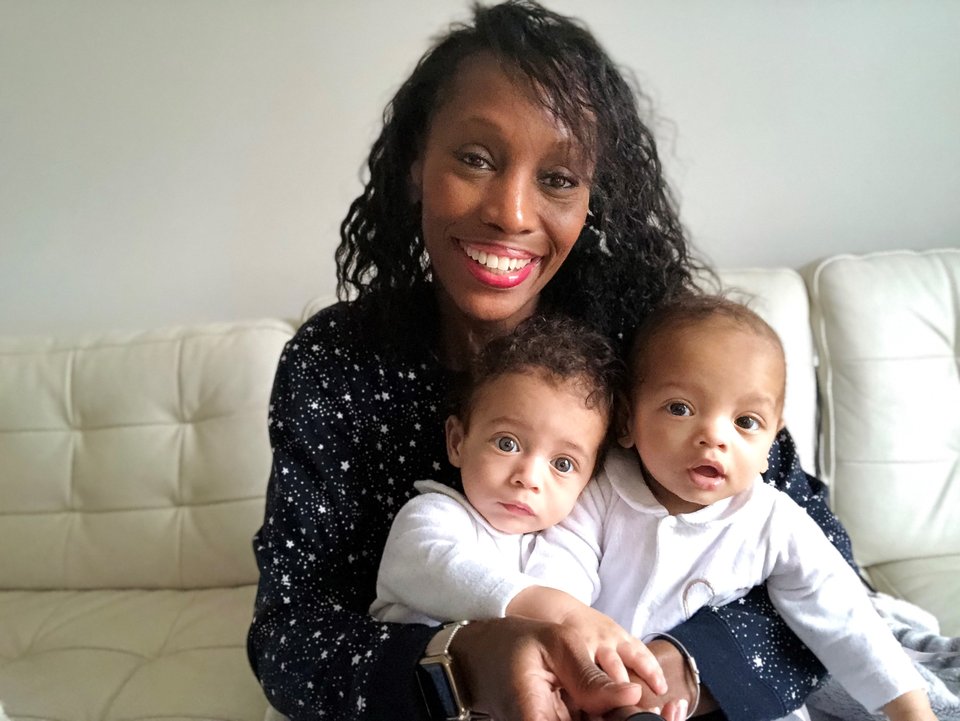
When Annie discovered she was expecting another set of twins, she was stunned—but determined to do things differently. Her partner, a farmer working long hours, wouldn’t be able to help with bottle feeding, so Annie set her sights on exclusive breastfeeding from day one.
She did her research, armed herself with evidence-based information, and made a plan. This time, she chose not to harvest colostrum, having found that feeding syringes in hospital had interfered with direct breastfeeding the first time around. She knew that removing milk was key to building supply and felt confident she could hand express if needed.
Henry and Eadie were born healthy, and Annie began exclusively breastfeeding straight away.
“The hospital advised me to do top-ups of expressed formula, but as there was no medical reason (such as low blood sugar or jaundice) I decided that I didn’t want to do and I’m so pleased I did. It was a blissful experience in comparison to the first time around.”
She fed responsively, followed her babies’ cues, and embraced skin-to-skin contact. The experience was calm and connected.
Don’t miss what matters
Get Twins Trust news, support updates and practical resources—straight to your inbox.
Inspired by her journey, Annie trained as a breastfeeding peer supporter while on maternity leave, hoping to help other parents of multiples feel informed and empowered.
“To anyone reading this, my words of wisdom would be… educate yourself on normal newborn behaviour, seek professional support from a qualified breastfeeding counsellor or International Board Certified Lactation Consultant (IBCLC), be responsive to your baby and follow your instincts.”
Annie went on to breastfeed Henry and Eadie until just after their first birthday, after previously breastfeeding William and Elizabeth. She reflects on the comfort and connection breastfeeding gave her and her babies — especially during night feeds and the chaos of parenting four children under 16 months during a pandemic.
“I will cherish my breastfeeding memories forever. It was my quiet and calm time in a very chaotic world. For three years I was either breastfeeding twins, or pregnant with twins, and for that I’m so proud of my body,” she added.
Breastfeeding twins, triplets or more — you don’t have to figure it out alone
Twins Trust offers practical guidance and friendly support to help you feed your babies with confidence — including an online breastfeeding course packed with tips, plus a free weekly online feeding drop-in where you can get support from pregnancy through to ending milk feeds.