When eight-year-old Zachary stopped eating for five days, his parents knew something was seriously wrong. His twin brother, Alistair, couldn’t understand what was happening to his best friend, especially as they were usually inseparable.
Zachary was in the early stages of ARFID, a condition his family had never heard of. ARFID (avoidant restrictive food intake disorder) is an eating disorder where someone avoids specific foods, limits what they eat, or both. Zachary was diagnosed with ARFID and, thanks to quick action from his parents and supportive healthcare professionals, he got the help he needed.
Families of twins and higher order multiples often tell us how hard it is when one child is struggling and you’re trying to support them both at the same time. If you’re worried about feeding, eating or your child’s wellbeing, you don’t have to figure it out alone. Twins Trust has information and support for families, including spaces to connect with other parents who understand life with multiples.
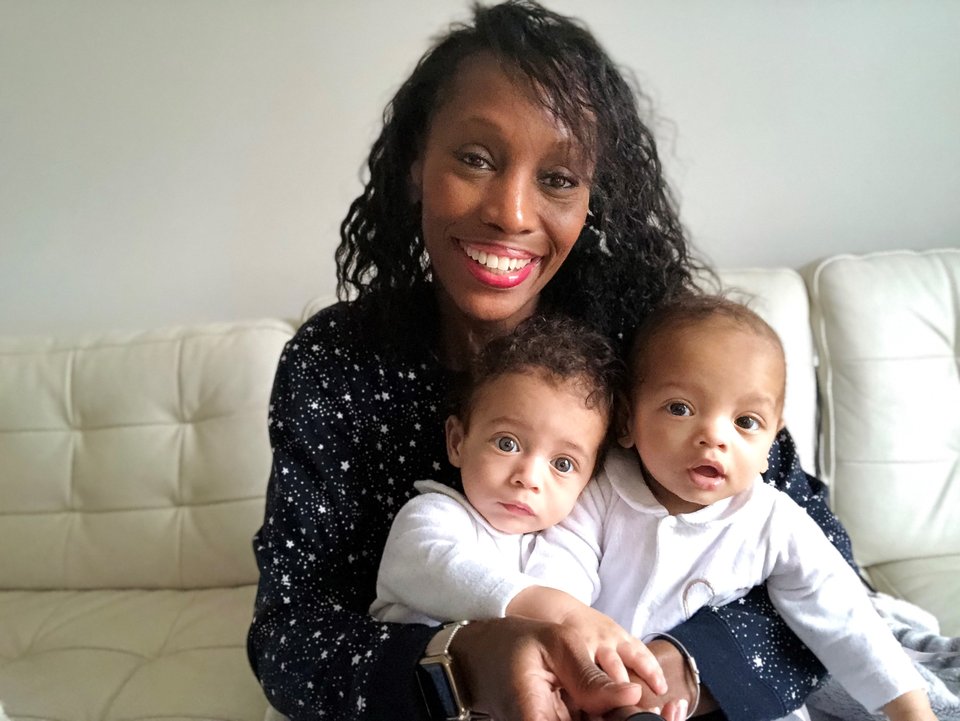
Mum Joy has shared their story to raise awareness of ARFID and the impact it had on both of her twin sons. She has shared their coping strategies, including therapy sessions, which helped get them through a challenging period.
She told us: “Zachary was reading a book at school and the child in the book had an anaphylactic shock. He became fixated on this issue.
“A couple of weeks later he was eating his lunch and thought he was having an anaphylactic shock. That really scared him. From that point onwards he thought that every time he ate or drank anything he was having an anaphylactic shock.
“He just wasn’t interested in food. One evening we got so desperate we called the NHS helpline 111. The response we got from the call handler was: “you’re his parents, you make him eat”.
But if a child doesn’t want to eat, you can’t force them. We complained about this call and they did respond but it shows a lack of understanding on their part.”
Being heard, and getting a diagnosis
As Zachary’s eating became more difficult, Joy said the family was reassured that he would start eating and drinking again. But as time went on, it became clear he needed more specialist support.
Joy added: “He starved himself for five days and was admitted to hospital. This was really the catalyst for getting a diagnosis. People actually listened to us that there was something wrong. In a strange way it was a blessing it happened so quickly and we went into hospital because we got all the help we needed. If you never get to that kind of crisis point, you don’t always get the help you need.”
Don’t miss what matters
Get Twins Trust news, support updates and practical resources—straight to your inbox.
Two months after his hospital stay, Zachary was diagnosed with ARFID. By that point, he had become very wary of food, and the family needed guidance that went beyond encouragement or reassurance.
Group Cognitive Behavioural Therapy sessions helped Zachary begin to improve. Psychologists also gave the family advice and coping strategies, helping Joy and her husband understand what might be driving Zachary’s fears and how they could support him day to day.
Supporting both twins through a tough time
While Zachary was in hospital, Joy says it was a particularly difficult time for Alistair. At eight years old, he found it hard to understand why his twin was unwell, and the separation was a huge change for them both.
Joy said: “Alistair was obviously really distressed. You are trying to support them but all the focus is on the other child. Alistair was asking why Zachary wasn’t eating and why couldn’t he drink? I don’t think he really necessarily understood much about it at the time.
“When he went into hospital, they were separated and they absolutely hate being apart, so Alistair was really upset. Alistair’s school made him feel special and let him into school a bit earlier. He met with the teacher and that gave him the opportunity to talk if he wanted to.”

Joy’s experience reflects something many parents of multiples recognise. When one child needs urgent support, it can feel impossible to balance everyone’s needs, especially when siblings are confused, worried or missing each other.
Following five months of counselling, Joy and her husband had strong coping strategies in place.
Joy said: “We didn’t feel alone and we knew there are people to contact. We felt really fortunate that we have had the support we needed. It is really difficult juggling the needs of two different children. It is just trying to explain to the other child in a language they understand.
“We support him the best we can. So the future does look brighter."
“If you are struggling and you think there is something wrong with your child, don’t give up. Contact professionals, until you are heard.”
Talk to someone who truly gets it
Twins Trust’s free helpline is run by trained volunteers who have multiples themselves. Call for a friendly, confidential chat or message via WhatsApp or email anytime and they’ll reply during opening hours (Mon–Fri, 10am–1pm & 7pm–10pm, excluding bank holidays).