Milestones with twins
When Jacob became a first-time dad to twin boys, he quickly realised he didn’t have a clear picture of how milestones might look. He’d done some research and knew twins can reach stages at different times, so he and his partner Jenny tried to hold onto an open mind from the start. Their boys were born in December 2023, and like many parents of multiples, they found themselves watching, waiting and wondering what would come next.
For many families, milestones can bring a mix of excitement and worry, especially when there are two or more babies developing side by side. It can be hard not to compare, even when you know each child will have their own pace and personality. Twins Trust has information and support to help parents understand developmental differences, feel more confident about what’s typical for multiples, and know when to seek reassurance.
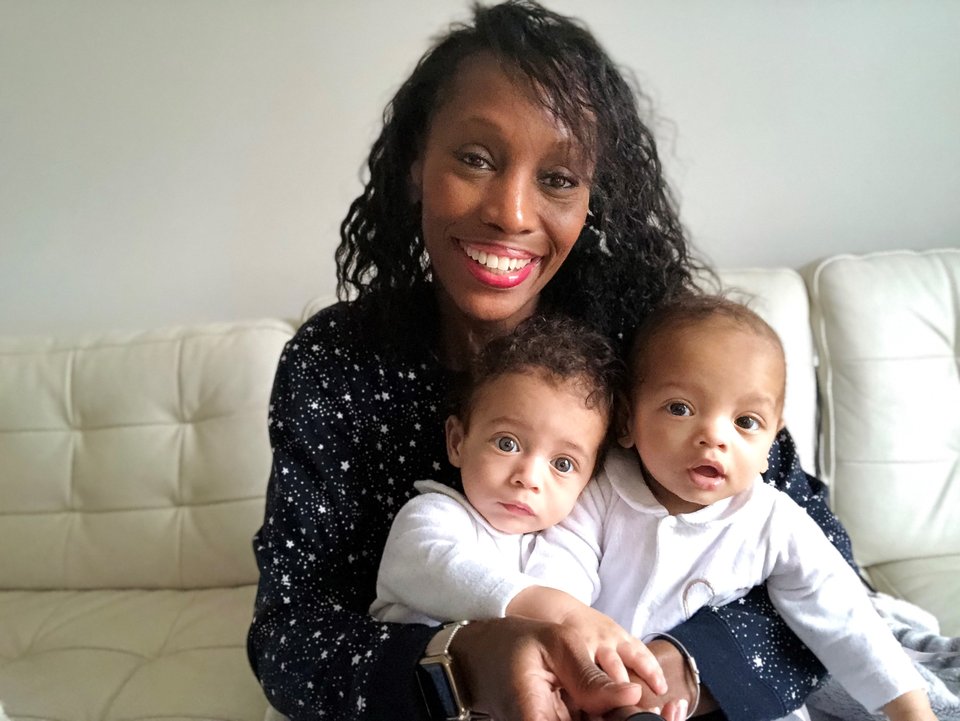
Taking things at their own pace
Jacob and Jenny’s twins arrived at 36 weeks. Jacob said: “Although they were only slightly early, we were warned they may not hit their milestones at the same time as other babies of the same age. One twin took his first steps at 12 months, the other, much smaller twin, at 14 months. However, the smaller twin was more advanced in other areas including his speech. We did find friends' children were quicker to hit milestones, and although we worried, we weren't overly concerned. We celebrated every milestone, especially after a traumatic birth.”
That balance between noticing differences and not letting worry take over became part of daily life. Jacob describes how they celebrated each step forward, while accepting that progress didn’t always look neat or predictable.
Two boys, two very different journeys
As their sons grew from babies to toddlers, Jacob says their differences became clearer. Even when they were working on similar skills, they didn’t approach them in the same way. One might push ahead physically, while the other focused more on communication or finer movements. Over time, the family began to recognise that the “gap” wasn’t necessarily a problem to solve. It was simply part of who each child was.
Don’t miss what matters
Get Twins Trust news, support updates and practical resources—straight to your inbox.
Jacob added: “Our boys definitely developed at their own pace. Our bigger twin was physically advanced, while the other twin was better with fine motor skills and communication. They are completely different, and other than looking like brothers, are nothing alike. One loves books and quiet moments with his Toniebox, the other loves to cause chaos and doesn't like sitting still. They also like different foods, which makes it difficult at mealtimes. They play well together but also fight, as they don't yet understand the concept of sharing.”
Those day-to-day differences showed up everywhere, from play to food to how they enjoyed winding down. Jacob and Jenny found themselves constantly adapting, not just to “twins”, but to two individual children with their own needs. Some moments felt calm and connected, while others were full of noise, movement and the kind of mess that comes with busy toddlers learning how to be in the world.
Making space for safe exploring
As crawling turned into walking, the practical side of parenting multiples shifted too. Jacob explains that they adjusted their home to help keep the boys safe as they moved around furniture and explored more confidently. Out and about, they made choices with their twins’ energy in mind, often choosing places that felt more manageable and safe when their boys ran in two different directions.

Letting go of guilt and taking support
Jacob also shared the emotional side of watching milestones unfold. Alongside the pride and relief, there can be guilt, especially when you feel stretched between two children who both need you at the same time.
He said: “I think as a twin parent you often feel guilty that you can't spend as much one-on-one time with your children. I think this is part of the reason twins can develop more slowly than a single child. But you have to remind yourself that they will catch up and you're doing the best you can. My advice is to take any help you are offered, whether it be from family or friends.”
The joy of growing up together
Alongside the challenges, Jacob and Jenny have loved seeing the connection between their boys develop, including the ‘secret language’ that many twin parents recognise.
He said: “Our boys were speaking to each other in an unknown babble language long before we could understand them. They'd each 'say' something and then laugh at the same time, so we knew they understood each other. Now that they're talking properly, I think they are teaching each other. One will often say something and the other repeat it.
“When we found out we were having twins, we were so shocked and worried about what the future could hold. But watching them grow up together with a friend always by their side, to support them and cherish them as they hit their milestones, is one of the greatest joys of parenting multiples.”
Dad to dad support for life with multiples
Feeling exhausted or overwhelmed? Twins Trust can connect you with a volunteer dad of twins, triplets or more for peer support via phone or email.