Preterm birth is more common in twin and triplet pregnancies. It can increase the risk of serious health problems for babies after birth.
Twins Trust has supported studies that look at possible causes of preterm birth. They also explore ways to predict risk earlier and test treatments that may help.
Studies we've supported
STOPPIT-2: testing a cervical pessary in twin pregnancy
STOPPIT-2 (Study for the Prevention of Preterm labour In Twins 2) was led by Professor Jane Norman at the University of Edinburgh. It looked at whether an Arabin cervical pessary could prevent preterm birth in women with a twin pregnancy and a short cervix. A pessary is a small ring-shaped device placed around the cervix.
In the screening phase, 7,000 women with a twin pregnancy were asked to have an ultrasound scan to measure cervical length. A total of 2,228 agreed. Women with a cervical length of 35 mm or less could join the treatment phase. Out of 503 eligible women, 250 received an Arabin pessary and 253 received standard care.
The study found the pessary did not reduce the risk of preterm birth or complications for babies. The findings still help by guiding future research and care.
Cervical length scans do not rule out preterm birth risk. If the cervix is very short, less than 20 mm, the measurement helps predict a higher risk of preterm birth.
Women who took part reported better outcomes for themselves and their babies than similar women who did not participate. It is not clear why, although extra one-to-one care may have played a part. These findings can help healthcare professionals plan care for women pregnant with twins who have a short cervix.
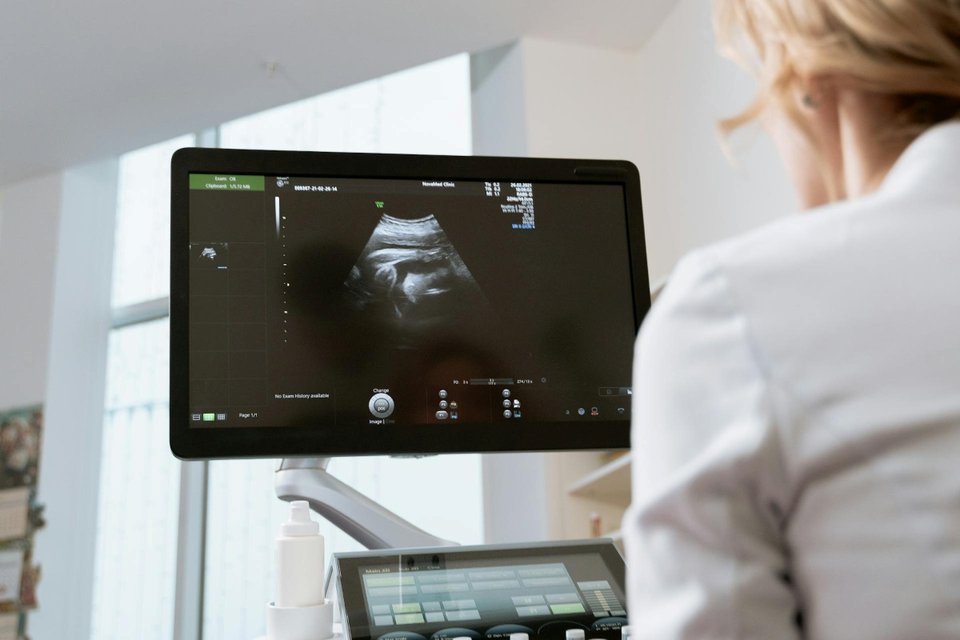
Evaluation of the impact of fibronectin and cervical length monitoring in triplet pregnancies
This study is led by Dr Lisa Story at St Thomas' Hospital, London. We don't currently know how best to predict preterm birth in triplet pregnancies. In singletons, doctors might measure the cervix and use swab tests to help determine the chance of preterm delivery. This study will use these existing techniques to see if they also help predict preterm birth in triplet pregnancies. People taking part in this study will have their cervix measured via ultrasound and a swab taken fortnightly between 16 and 32 weeks of pregnancy. We hope this will help doctors to improve their support and guidance for people who are expecting a triplet pregnancy.
This study has been jointly funded by Twins Trust and the British Maternal Fetal Medicine Society.
The role of the vaginal microbiome and cervical length at 16 weeks in the prediction of preterm birth in twin pregnancy
This study is led by Dr Andrew Sharp at the University of Liverpool. A large proportion of twins are born early, however unlike singletons we don't exactly know how to predict or prevent these preterm births. This study will look at twin pregnancies early on (at 16 weeks) to see which bacteria, yeasts and proteins from the cervix are found and whether there is a pattern linking them to a preterm birth later on. If a pattern is shown, this will help us to know who is likely to have a preterm birth in the future, so the doctors and family can be prepared. This could also help us to find treatments for preterm birth.
This study has been jointly funded by Twins Trust and the British Maternal Fetal Medicine Society.
Join now to keep up to date
Get our latest news, support updates and practical resources straight to your inbox - join as a Free or Premium Member today and opt-in to receive email updates.
Exploring novel techniques for the prediction of spontaneous preterm birth in multiple pregnancies
This study is led by Dr Brenda F Narice at the University of Sheffield. This study uses a device to measure electrical changes in the cervix (called "bioimpedance spectroscopy"). This is something that already takes place in singleton pregnancies, which helps doctors to understand when labour may begin prematurely. Researchers want to understand if this method also works in twin pregnancies, so doctors can prepare and advise families. It may also help us to work towards a treatment for preterm birth in twins.
This study has been jointly funded by Twins Trust and the British Maternal Fetal Medicine Society.
Quantitative fetal fibronectin, cervical length and vaginal microbiota for the prediction of preterm birth in twin pregnancies undergoing fetal laser surgery
This study is led by Lindsay M Kindinger at University College London. Laser surgery, which is usually given for Twin-to-Twin Transfusion Syndrome (TTTS) or Twin Anaemia Polycythemia Sequence (TAPS), often ensures that a baby who would otherwise die from these conditions survives. However, laser surgery also brings a higher risk of preterm birth. This study will look at a number of factors including proteins, bacteria and the length of the cervix, to see if they can help accurately predict who will have their babies prematurely. Understanding this will help improve care for this high-risk group.
This study has been jointly funded by Twins Trust and the British Maternal Fetal Medicine Society. This bursary was awarded in memory of Eva Boyle, a much-missed, forever-loved twin.
Published