When Kate welcomed her newborn twins, she expected the usual mix of tiredness and joy. Instead, the days that followed became overwhelming. She was dealing with serious medical complications after a major injury during her C-section, followed by the pain and disruption of a second emergency surgery. Recovery wasn’t going to be quick, and the reality of what that meant hit hard.
One of the first lessons from Kate’s story is that even when you’ve planned for life with twins, your recovery can change everything. It’s not just about feeding and nappies.
Finding your feet with the right support
Families in crisis after the birth of twins often tell us that what they need most is practical help and steady reassurance, especially when hospital stays, complications or readmissions are part of the picture. Twins Trust is here to offer clear, down-to-earth guidance and support that helps you take things one step at a time. If you’re in the thick of it, you can find information and support via our helpline.
Leaning on the people who show up
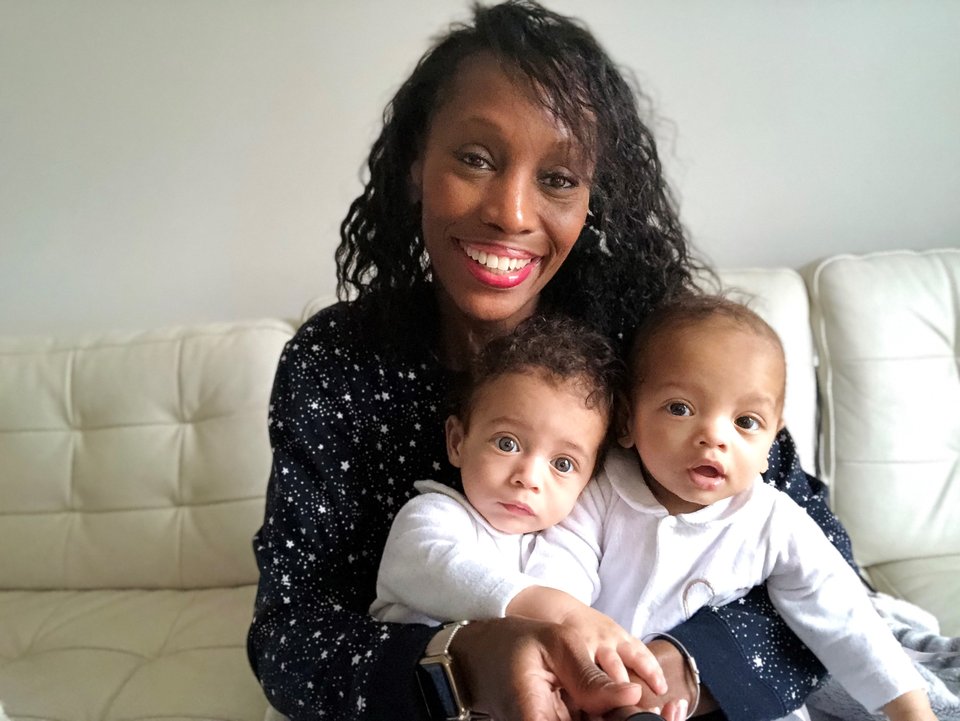
Because Kate was unable to lift her babies and faced months of recovery, she relied on her mum from the start. Friends rallied round too, sleeping on hospital floors and taking turns to help care for the twins during their first five weeks on a hospital ward.
That’s another key lesson: when things are tough, support can look like simple, unglamorous acts repeated every day. A shift on a hospital floor. Holding a bottle. Washing up. Being present. Kate’s mum and friends didn’t try to “fix” what was happening. They helped the family get through the hours and days, until Kate could focus on healing.
Doctors warned Kate it would take several months to recover. As a new mother, she faced the heartbreaking reality of not being able to cuddle her own babies. Kate’s experience shows that bonding doesn’t always follow the picture in your head. Sometimes it has to be rebuilt gently, with support, when your body is ready.
Don’t miss what matters
Get Twins Trust news, support updates and practical resources—straight to your inbox.
Asking for help beyond friends and family
After Kate was discharged, she was re-admitted when her symptoms escalated. Her mum and friends continued to care for the twins, but the family needed more help than they could provide alone.
Kate’s friend reached out to Twins Trust and found support was available for Kate and the twins. This is a lesson many parents recognise only in hindsight: asking for help outside your immediate circle isn’t a last resort. It can be the turning point that steadies everything. When someone trained and experienced steps in, it can take pressure off the people you love most, and bring a calm, informed voice into a challenging situation.
Gemma, the charity’s Family Crisis Lead, became a lifeline for Kate and her family. A Twins Trust volunteer also stepped in to provide practical support.
Kate said: "It made a huge difference to me - honestly, I don't know how I would have survived without it. It was such a relief to have the help, and both of them were amazing - kind, professional and very competent. I feel that I learned a lot from them and they provided incredible reassurance at what was the worst time of my life - when it should have been the best. I am so grateful for their help and kindness."

Reassurance from someone outside friends and family can make all the difference, especially when you’re scared, exhausted, and trying to process what’s happened to your body as well as care for your babies. Sometimes you need a person who can say, with confidence that you’re not alone.
On Gemma’s first visit, she supported Kate’s mum with the babies’ care. They talked through feeding schedules, safe sleep options, and sterilising bottles. Gemma also helped with the pram so the family could get out and about, and she took the twins to hospital to visit Kate. That practical approach is another lesson in itself: when you’re overwhelmed, small routines and clear information can bring stability back into the day.
Twins Trust provided a variety of support in the early days, including respite care, bottle-feeding guidance and play ideas. The charity supplied a bouncy chair to make caring for the girls easier, especially as Kate prepared to parent them solo. Gemma helped Kate with skin-to-skin bonding and took the twins for routine vaccinations.
Kate’s story is a reminder that recovery and parenting can happen side by side, but not always in the way you expect. Accepting help isn’t giving up control. It’s creating the conditions where you and your babies can be safe, cared for and close again.
Need help at home?
If you’re expecting or caring for twins, triplets or more and things feel unmanageable, Twins Trust In-home support can offer short-term, practical help from a practitioner.